Maria Santos
March 31, 2026
The Philippines is one of the more accessible Southeast Asian countries for lesbian women, but safety varies significantly by location and context. This guide provides a realistic assessment.
Legal Status of Lesbian Relationships in the Philippines
The Philippines does not criminalize same-sex relationships between women. There is no law against lesbian relationships, public displays of affection between women, or lesbian identity.
However, the Philippines also does not legally recognize same-sex partnerships or marriages. Lesbian couples do not have the same legal protections as married heterosexual couples in areas like property rights, medical decision-making, and inheritance.
The legal landscape is evolving. LGBTQ+ advocacy organizations are actively pushing for anti-discrimination legislation and legal recognition of same-sex partnerships.
Safety by Location in the Philippines
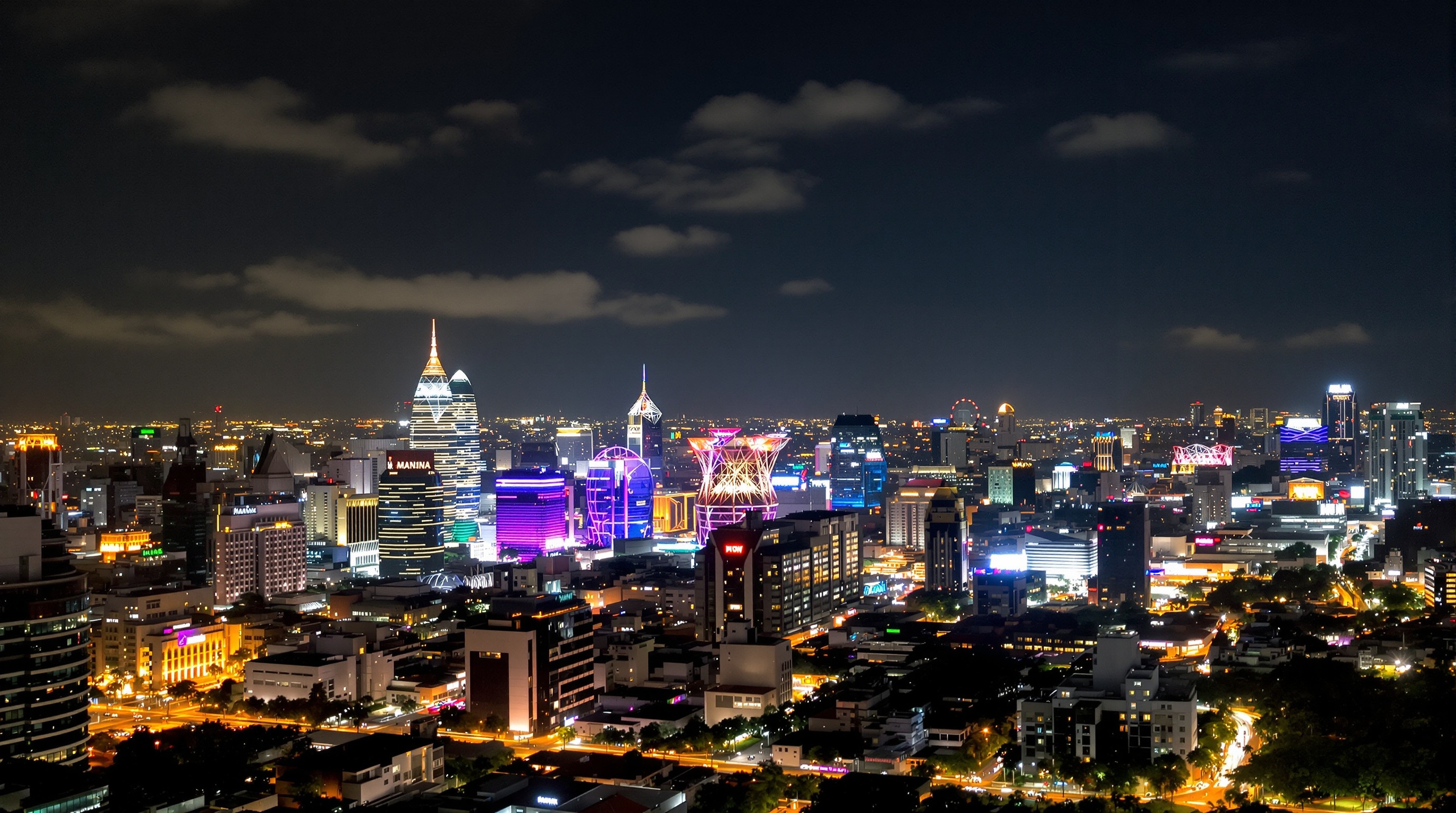
Metro Manila (BGC, Poblacion, Malate): The safest and most welcoming areas for lesbian women. Same-sex female affection is visible and broadly comfortable in these neighborhoods.
Quezon City: Generally welcoming to LGBTQ+ communities. Home to several LGBTQ+ organizations and progressive communities.
Cebu City (IT Park, Mango Avenue): Welcoming in the progressive urban areas. Slightly more conservative city-wide than Manila.
Boracay and Palawan: International tourist environments are broadly inclusive. Lesbian couples visit without reported issues.
Provincial and rural areas: Exercise moderate discretion. Traditional values are more prevalent. This is a social consideration rather than a legal one.
Practical Safety for Lesbian Women in the Philippines
In LGBTQ+ areas: Malate, Poblacion, and BGC are safe for open lesbian expression. Same-sex couples hold hands and are openly affectionate without significant issues.
In general public areas: Moderate discretion is the socially appropriate approach in shopping malls, transport, and non-LGBTQ+ areas. This is a social convention rather than a legal requirement.
Transport: Use Grab. Lesbian couples using Grab do not face documented issues with drivers.
Accommodation: All major hotels welcome lesbian couples. Same-sex couples request double or king rooms without issue.
Healthcare: Major hospitals in Manila and Cebu provide professional service to LGBTQ+ patients.
LGBTQ+ Rights and Advocacy in the Philippines
The LGBTQ+ rights movement in the Philippines is active and growing:
Metro Manila Pride: Annual Pride march in June is one of Southeast Asia's largest LGBTQ+ events.
GALANG Philippines: Organization focused on lesbian and bisexual women's rights and health.
Anti-discrimination advocacy: Multiple bills have been filed in the Philippine Congress to provide anti-discrimination protections for LGBTQ+ individuals.
Corporate support: Many major Philippine corporations have adopted LGBTQ+-inclusive policies, particularly in the BPO industry.
Quezon City — A Safe Haven for Lesbian Women
Quezon City is considered one of the most LGBTQ+-friendly cities in the Philippines:
LGBTQ+ organizations: Multiple organizations are headquartered in Quezon City, providing community support and advocacy.
Progressive communities: University communities (UP Diliman, Ateneo) create progressive, inclusive environments.
Safety: Quezon City is considered relatively safe, with a community-focused police force and numerous gated communities.
Nightlife: Quezon City has its own LGBTQ+-inclusive nightlife scene, separate from Malate and Poblacion.
Keywords